News

New law will require Maine schools to undergo testing for lead in water

New law will require Maine schools to undergo testing for lead in water

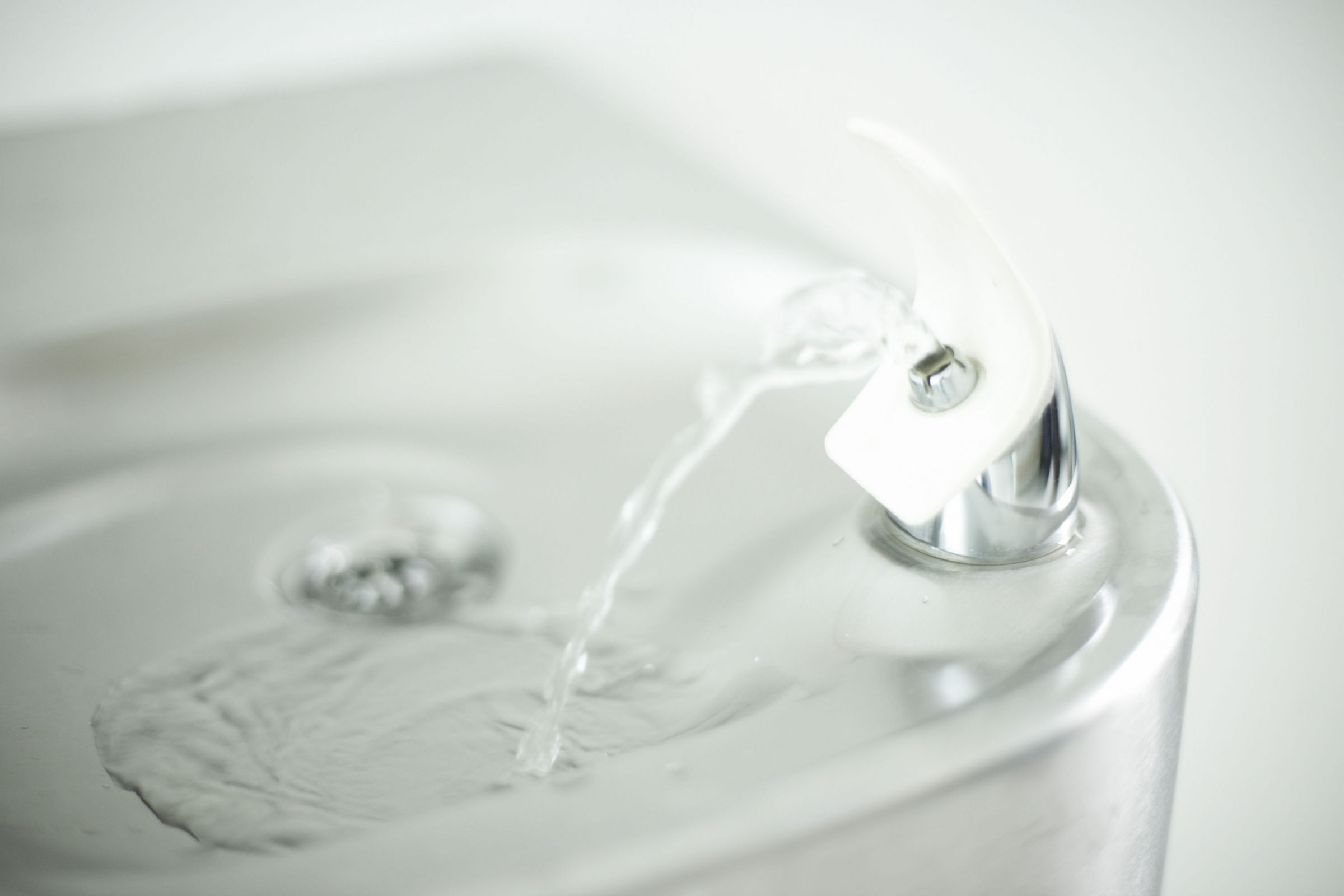
Photo: 560 WGAN Newsradio


A law passed by Maine legislators in 2019 will require all schools to test water fixtures for lead starting next month.

According to the Portland Press Herald, that requirement previously only applied to schools that supply water through their own wells under federal law.

Under the new state law, the Maine Drinking Water program will begin coordinating lead testing of water fixtures used for drinking and cooking at all schools starting October 1st and running through the end of May.

Many Maine schools that use town water systems may have taken part in voluntary testing in the past, but the latest law will establish consistent requirements throughout the state.

The law also requires that the results of testing will be shared with parents, students and staff.

Latest Headlines

3 hours ago in Local

New Hampshire Man Dead in I-95 Crash in Newport

Maine State Police say they were on their way to assist a stopped car in the travel lane of I-95.

3 hours ago in Local

Casco Bay Lines considers another fare hike for passengers

Riding the ferry in Casco Bay could get more expensive as the ferry line considers a 21 percent increase for passenger fares.

3 hours ago in Local

Sen. Collins’ office says remark about not seeking another term after November was an “off-hand comment”

Sen. Susan Collins is walking back her comment that she would only serve one more term if elected in November.

4 hours ago in Entertainment, National, Trending

The Latest: Artemis II fully fueled for NASA’s historic return to the moon

NASA's launch team has loaded more than 700,000 gallons of fuel into the 32-story Space Launch System rocket, setting the stage for the Artemis II mission crew members to board...

10 hours ago in Local

Bangor Savings Bank Program Provides Support to Communities Through Donations

The public votes on the recipients through an online ballot, with the top vote-getters in each region receiving $5,000 grants.