The discussion centered on the recent military campaign against Iran, highlighting the halt of their nuclear program and the lack of a military presence. Speaker 1 expressed skepticism about long-term success, citing potential future nuclear development and military rebuilding. They also discussed the broader implications, including the regime’s support for terrorism and the potential for increased instability. The conversation shifted to societal issues, including the impact of needle exchange programs on drug addiction and the environment, and the psychological aspects of compassionate policies. The speakers debated the effectiveness of current approaches to drug treatment and the potential unintended consequences of well-meaning interventions.
The discussion examined how prosperity, comfort and changing expectations shape modern political and cultural debates. It connected Columbus and European…
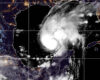
Isaias strengthened Friday into a major hurricane as it headed toward the U.S. Gulf Coast, where final preparations were being made for potentially life-threatening storm surges and high winds.
Isaias surged toward the U.S. Gulf Coast on Thursday as the first hurricane of the Atlantic season, prompting mandatory evacuations, school closures and local government shutdowns in parts of Florida.
Christa Pike was "angry and confused" in the hours after regaining consciousness following Tennessee's failed execution attempt, first asking, "Where am I?" her lawyer said Wednesday.
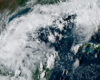
Tropical Storm Isaias formed early Wednesday in the warm waters off eastern Mexico and forecasters said it was expected to strengthen into the first hurricane of the Atlantic season before hitting the U.S. Gulf Coast later in the week.
We use cookies to ensure that we give you the best experience on our website. By clicking Accept, you consent to our use of cookies.