The city of Portland is embarking on its most comprehensive transportation initiative in over 30 years—an ambitious effort aimed at reversing decades of car-centric urban design.
Dubbed Portland in Motion, the new study is focused on retrofitting major infrastructure projects from the mid-to-late 20th century that prioritized high-speed vehicle traffic over community connectivity. City officials hope to transform these areas into safer, more accessible corridors for pedestrians, cyclists, and public transit users alike.
According to Kevin Kraft, Portland’s Director of Planning and Urban Development, many of the city’s current traffic issues stem from incomplete or outdated highway-era concepts.
“One of the things we’re trying to achieve as a city, and a region, is to, really, retrofit a lot of challenging projects that were implemented decades ago,” Kraft noted.
Reimagining Historic Layouts
The initiative will critically evaluate several major thoroughfares originally engineered to move vehicles through the city as quickly as possible. Key areas of focus include:
-
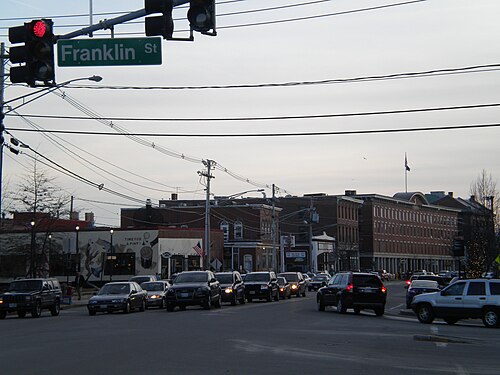
The Franklin Arterial: A prime example of high-speed urban design. It was initially built as part of a larger, never-completed highway network meant to link directly to downtown.
-
The Spring Street Arterial: Another remnant of that incomplete highway vision. It was originally intended to connect seamlessly with Franklin Arterial and extend all the way into the West End, but the project was eventually halted, leaving behind a fragmented transit corridor.
-
Forest Avenue: A massive four-lane thoroughfare that has long presented significant challenges for pedestrian safety and localized traffic flow.
A Holistic Approach to Growth
Unlike traditional traffic assessments, Portland in Motion will take a broader, “holistic” look at how infrastructure intersects with modern life.
The study will directly factor in recent zoning overhauls across the city. By allowing more high-density housing and mixed-use commercial developments, these zoning updates aim to put residents within walking or biking distance of their jobs, local businesses, and grocery stores. The transportation grid must evolve alongside these changing neighborhood dynamics.
How to Get Involved
City planners are prioritizing community feedback to shape the final plan. Portland residents will have multiple opportunities to voice their opinions, including an upcoming public survey designed to capture everyday commuting experiences and pain points.
The entire initiative is expected to span just over a year, with the final Portland in Motion report scheduled for release in the summer of 2027.
This article is adapted from original reporting by Irwin Gratz. For more details, read the original piece on Maine Public.