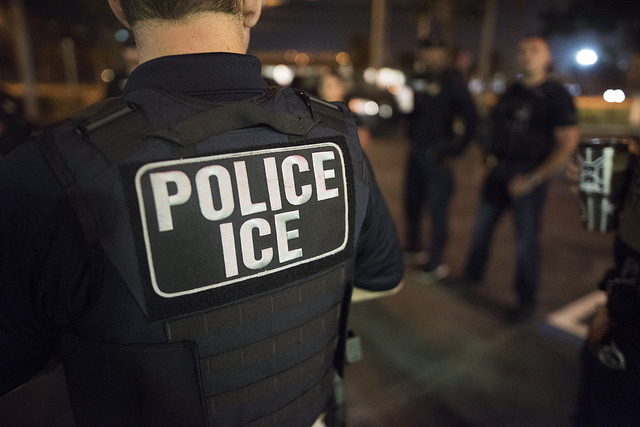
PORTLAND, Maine — Federal immigration enforcement in Maine has escalated sharply this year, with U.S. Immigration and Customs Enforcement (ICE) arresting more individuals in Maine so far in 2026 than in the previous two years combined.
New figures compiled by the Deportation Data Project—a national non-profit that tracks federal immigration metrics—and released by the Maine Immigrants’ Rights Coalition show that roughly 482 arrests have taken place across the state this year.
Low Rate of Criminal Convictions
Despite previous assurances from federal agencies regarding targeted enforcement, the data indicates that the overwhelming majority of individuals taken into custody in Maine did not possess a criminal history.
| Enforcement Metric | Reported Statistic |
| Total Arrests in Maine (2026 YTD) | ~482 |
| Pace of Arrests | ~2 per day since May |
| Detainees with a Criminal History | ~2% since 2024 |
| Detainees with a Violent Offense Conviction | 1 individual |
“It’s one person. You probably have a better chance of finding a needle in a haystack,” said Ruben Torres, Director of Advocacy and Policy for the Maine Immigrants’ Rights Coalition. “What has been sold to the public as a need for public safety isn’t being reflected in how the actions are being undertaken.”
Community advocacy groups report that arrests have averaged two per day since May, creating widespread anxiety and disruption for families across local municipalities.
DHS Response & Data Methodology
The Department of Homeland Security (DHS) previously maintained that enforcement actions prioritized individuals posing the highest threat to public safety. Previous reporting indicated that approximately half of ICE arrests in Maine were non-targeted “collateral” detentions—taking into custody individuals encountered near a primary target who were suspected of being in the country without legal authorization.
In the latest dataset, DHS removed the distinction between targeted and collateral arrests. When asked about the reporting, a DHS spokesperson disputed the findings, stating the data was not reviewed by the department prior to its public release via Freedom of Information Act (FOIA) requests.
In a statement addressing the report, DHS argued:
“Many of the individuals that are counted as ‘non-criminals’ are actually terrorists, human rights abusers, gangsters and more; they just don’t have a rap sheet in the U.S. Further, every single one of these individuals committed a crime when they came into this country illegally.”
Calls for Systemic Reform
Advocates in Maine emphasize that making government enforcement data accessible via FOIA transparency is a critical step toward broader reform.
“Find ways to fund a functional immigration system. That way, going through the process actually means something for families,” Torres urged, adding that call volumes to local support hotlines suggest enforcement activity in Maine will remain high through the remainder of the year.